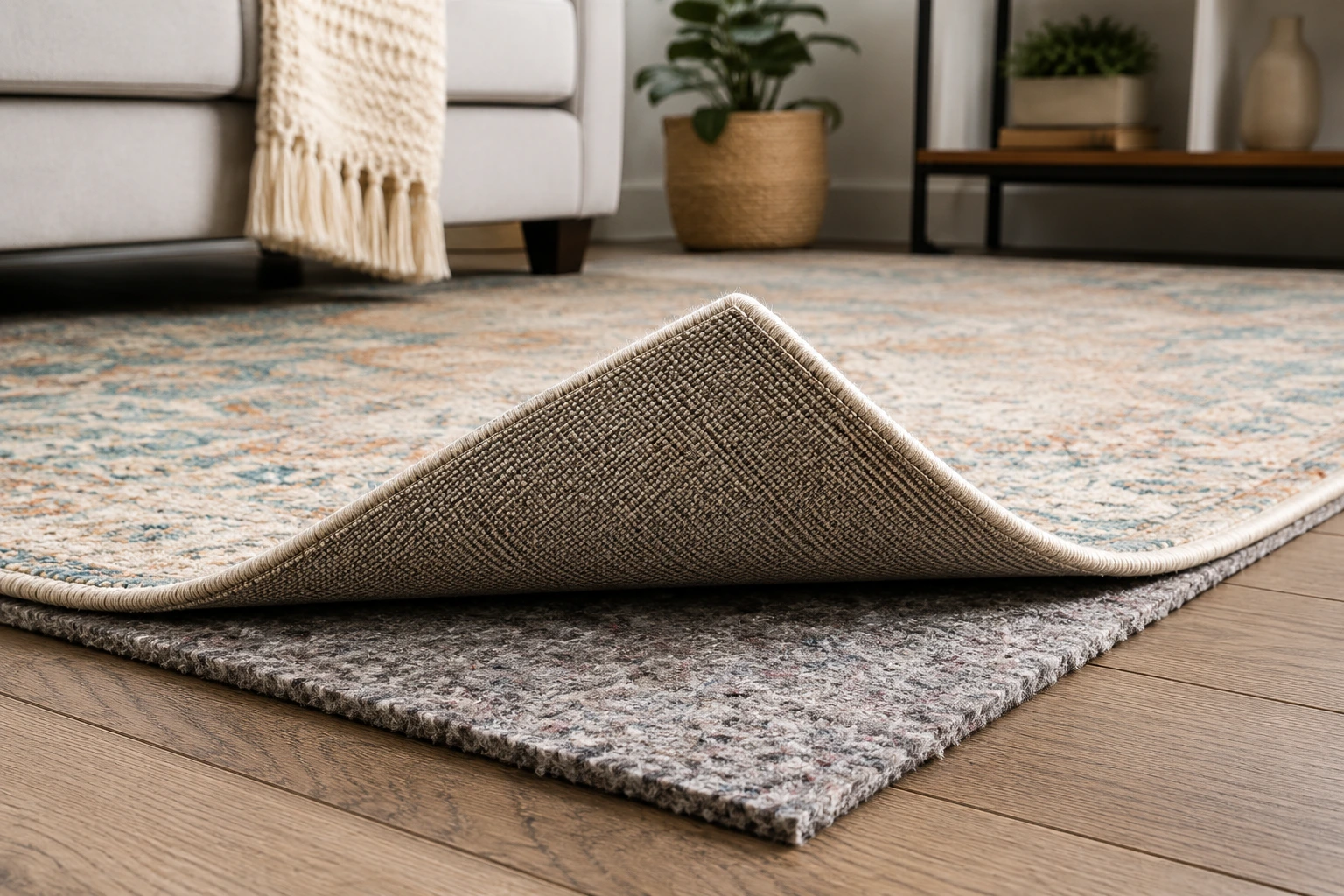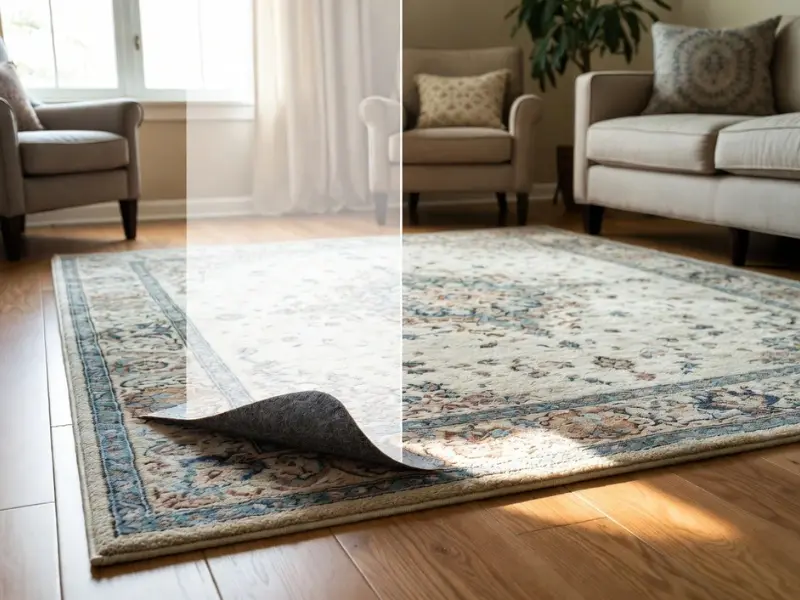
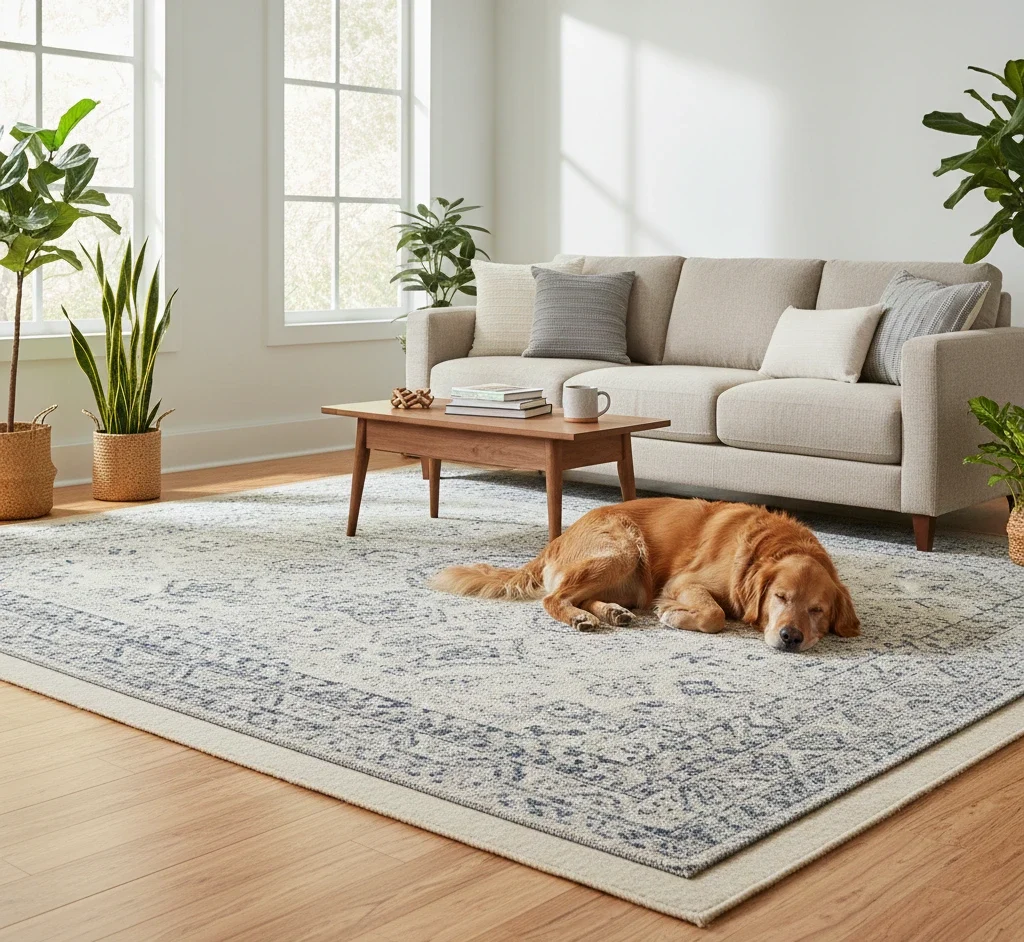
Rugs in the house bear heavy activity and often exhibit twisted corners, flattened surfaces, or the entire area appears misaligned. These are classic indicators that it needs additional support. Using a rug pad solves these issues as it offers a solid backing that helps maintain the rug and protect your floor.
But what exactly is a rug pad, and how is it different from a rug? Why use a rug pad? Are there any benefits? Keep reading, and you’ll get insights explaining the distinction, highlighting different rug types, various rug pad benefits, and how to pick the right one.
What Is A Rug Pad? Different Rug Pad Types
A rug pad is the protective layer kept under the rug. The placement of these pads protects the flooring and prolongs the rug’s life. Yes, you read that right. A rug pad extends rug life and is available in different materials, each serving a different purpose.
Below are some of the rug pad types that you should know about:
⇒ Rubber rug pads
Best for grip and safety, the rubber material rug is ideal for you if you need to prevent slipping issues. The low bulk design makes it easy to use for small rugs placed in the kitchen, hallways, or entryway.
⇒ Felt rug pad
It adds softness and sound-absorbing features to protect the rug, making it suitable for cushioning and insulation needs. Also, the solid structure holds the rug’s shape and prevents premature wear and tear.
⇒ Memory foam rug pads
These pads are thick and are comfort-centric, meaning they help create a cozy living environment. The dense material promotes a softening layer, helpful in living rooms where guests or family members sit or walk barefoot.
⇒ Blend rug pad
This rug type is a combination of different materials. For instance, felt and rubber blend. The idea is to facilitate both grip and cushioning in heavy foot-traffic areas while maintaining decent house decor.
⇒ Natural fiber rug pads
Natural fiber rug pads are made of sustainable, environmentally friendly materials, such as plants or jute. It’s a viable option if you are seeking to cultivate an eco-friendly household environment.
⇒ PVC rug pads
These pads are easy to cut and adjust to smaller spaces. If your preference is a budget-friendly rug pad, consider it. However, the material is less durable and not ideal for long-term use. Works well for low-activity household areas as a temporary solution.
7 Major Rug Pad Benefits That Show Why You Need One
A well-maintained rug may make you think that you do not need a rug pad. However, in reality, lifted edges or fiber damage progress slowly, especially when you may have unintentionally made common rug cleaning mistakes, which compromise the rugs’ condition.
Rug pads matter, and below are the benefits that show why you need them:
1. Rug Support
One of the reasons why homeowners decide to have a rug pad is to support the existing rug, especially if it’s large. The continuous usage makes it uneven, and a rug pad provides support that keeps it flat while maintaining its optimal shape.
2. Stability and Safety
Rugs placed on the floor or hardwood are susceptible to slipping incidents. The heavy activity of pets, kids, or guests compromises stability and elevates unexpected risks. A rug pad grips the floor and anchors the rug for stability while minimizing risks such as loss of balance or falling.
3. Extra Comfort
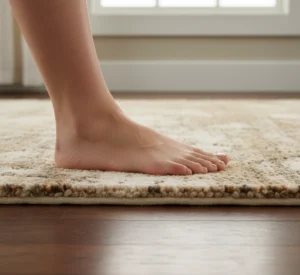
Thin rugs feel flat, and the floor’s hardness makes standing barefoot or walking unpleasant. Also, the lack of cushioning can cause injuries to pets or kids. A hard surface rug pad helps deliver extra comfort, transforming the surface feel, making each step comfortable while reducing fatigue.
4. Improved Appearance
Frequent use and lack of support cause curled corners, lifted edges, and irregular surfaces in rugs. This also compromises the overall appearance of the room, and the rug loses its original feel. The rug pad prevents curling of corners, lifted edges, or uneven flattening of the surface, uplifting the room decor.
5. Floor Protection
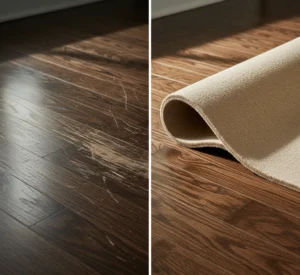
Rugs placed on tile, hardwood, or laminate floors can cause damage over time, especially when they have rough, chemically treated, or sticky backings that leave scratches, residue, or discoloration. Heavy furniture can also create dents and scuff marks, but a rug pad acts as a protective buffer that helps prevent these issues and protects the floor.
6. Noise Reduction
Rugs on hardwood floors amplify the footstep sounds that echo throughout the room. These noises are disruptive at night, particularly coming from the upper rooms in the house. A rug pad provides insulation that lowers the sound and creates a peaceful environment.
7. Extended Lifespan
Furniture presses down, and constant friction from foot traffic grinds the rug’s backing against the floor, weakening the fabric, fading the rug’s pattern, and increasing the risk of wear and tear. The rug pad distributes the weight of furniture, absorbs foot movements, and reduces abrasive friction, extending its lifespan.
Tips on How to Choose the Right Rug Pad
Picking the right rug pad comes down to striking a perfect balance of requirements, assessing the material type, intent, budget, rug condition, and its benefits.
→ Assess rug condition: Older or thinner rugs need extra backing, while heavier rugs may only need grip for optimal placement.
→ Identify your intent: Recognize whether you want cushioning underfoot, floor protection, slip prevention, or a balance of all these aspects.
→ Pick the right material: You already know this. foam for comfort, felt for durability, rubber for grip, blends for versatility, natural fibers for eco‑friendly appeal, and PVC for budget constraints.
→ Decide on size: Large area rugs require durable pads, i.e., felt or blends for stability, while rubber rug pads are a better option for smaller rugs.
→Know the budget: Premium quality rug pads last longer but are costly, so pick accordingly.
→Verify authenticity: Look for CRI certifications, such as Green Label Plus, on pads to ensure they are safe to use and in compliance with regular flooring standards.
→ Focus on rug pad benefits: Focus on rug pad benefits: You’ve already seen benefits showing how rug pads add comfort, reduce wear, improve appearance, and protect floors. Now, think about what matters most in your house. This helps pick the right rug pad.
Get a Rug Pad for Ultimate Rug Protection
A rug pad is more than a simple upgrade to your flooring system, and the rug pad benefits clearly prove its long-term value. A rug pad extends rug life, prevents rug slipping, and protects floors from scratches or heavy dents. It also helps reduce rug wear and tear, minimizing friction and keeping both the rug and flooring in adequate condition, suggesting the investment is worth it.
At Vancouver Rug Cleaning, we have low-cost, eco-friendly, premium rug pads made from latex-free and non-allergenic materials. They survive the lifespan of your rug with exceptional durability, feature a protective barrier against pet urine, and save your valuable floors from stains.
Contact us now to get an estimate and buy your new rug pad.
FAQs
Q: Should a rug pad be the same size as a rug?
A: No, the rug and rug pad should not be the same size. The pad is usually cut about 1 to 2 inches smaller on all sides so it remains hidden, prevents edges from lifting, and still provides maximum support and floor protection.
Q: What is the difference between a carpet pad and a rug pad?
A: Carpet pads are permanent layers installed under full‑room carpet for cushioning and insulation, while rug pads are removable, offering more flexibility.
Q: Are PVC rug pads safe?
A: PVC rug pads are not the safest; they release chemicals, discolor hardwood floors, and trap moisture, enabling mold growth. A felt or natural rubber pad is a wiser option.
Q: Do rug pads help with warmth?
A: Yes, rug pads can help with warmth. They add an insulating layer between the rug and floor, reducing heat loss and making rooms feel more comfortable underfoot during winter.