Do you need a rug pad, or is it just too easy for you to overlook until problems show up? We ask this boldly because over the years, we’ve noticed a troubling pattern: our team receives rug replacement requests from homeowners, and the underlying cause often traces back to one of two things:
Either they ignored early signs of rug damage and skipped rug maintenance, which compromised protection, or there was no rug pad, which could have prevented the damage altogether in the first place.
What surprises us most isn’t the damaged rugs, but the conversations we have during these calls. Homeowner after homeowner tells us the same thing: “I knew I should have gotten a rug pad installed, but never got around to it.”
Hence, to ensure another rug doesn’t meet the same fate, our team put together this guide to help you understand why a rug pad is necessary — and why skipping one is a costly mistake.
Do You Need a Rug Pad Under Your Rug: 6 Reasons That Explain
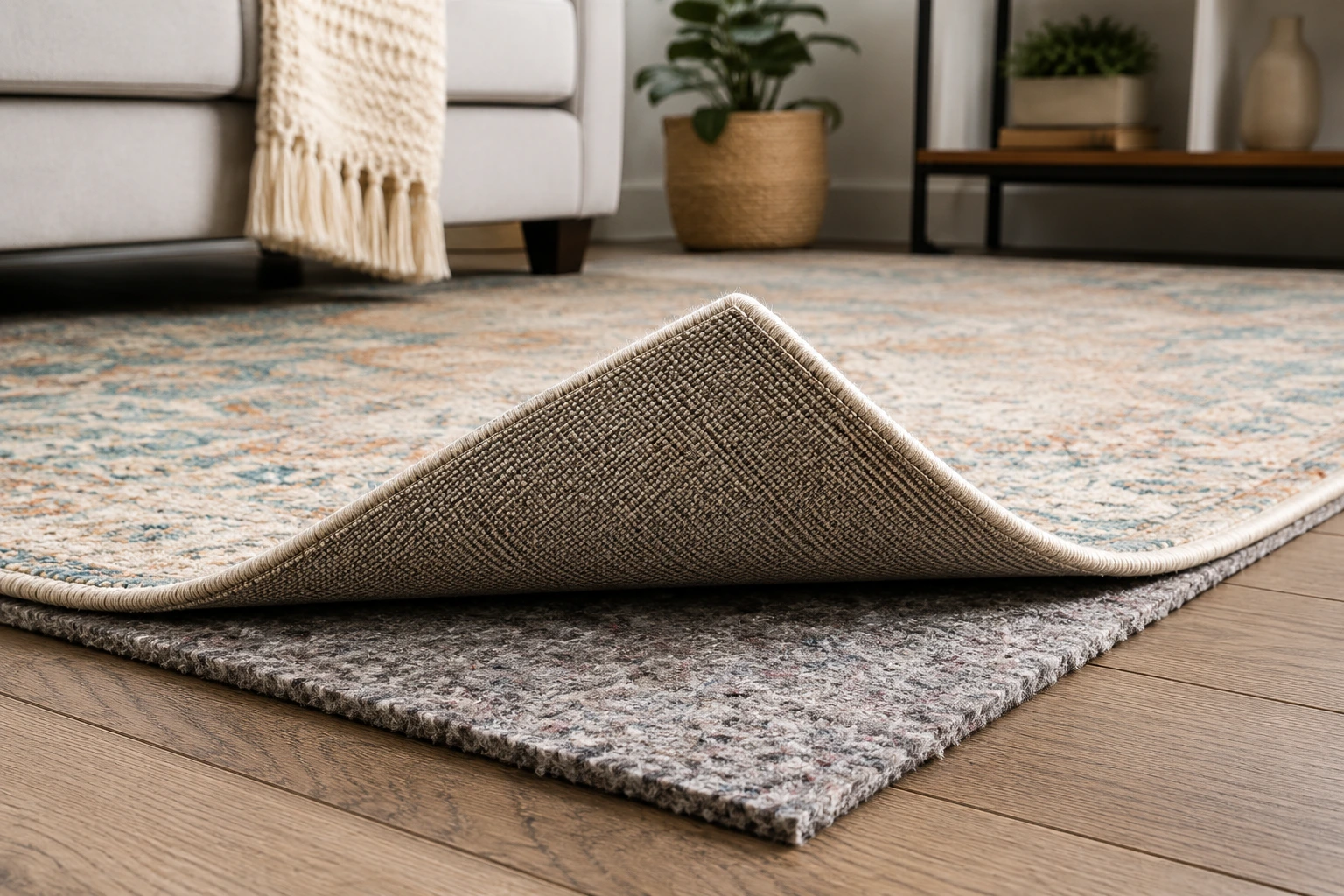
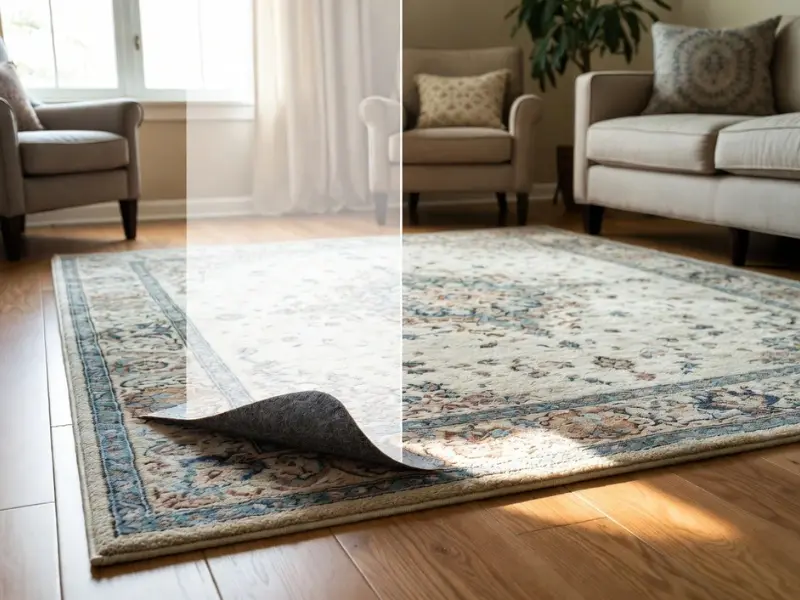
A rug pad is a thin protective layer placed beneath your original rug to add grip, cushioning, and protection. While simple in design, rug pad benefits are significant. It prevents slipping, shields floors from scratches, extends rug life by reducing wear, and adds comfort underfoot.
Our view is, think of it as a small investment that safeguards both your rug and your flooring. Below are some reasons that explain why use a rug pad for your existing rug:

1. High foot traffic
In busy hallways or entryways, rugs shift and sustain indents from continuous movement. This repeated stress causes uneven wear and frayed edges. A rubber rug pad anchors the rug firmly, stopping slips and distributing pressure so fibers last longer.
2. Delicate fabric
Wool, silk, or hand‑woven antique rugs are vulnerable to abrasion and premature fiber breakdown. Without proper protection, friction against hard floors accelerates overall damage. A felt rug pad cushions impact, reduces stress on fibers, and maintains the rug’s texture and appearance.
3. Heavy furniture
Sofas, tables, and beds press rugs into hardwood, leaving dents or scratch marks. Over time, this pressure worsens dents and weakens rug backing, causing severe damage. A combined rug pad distributes weight uniformly, protecting both rug and floor from sustaining permanent marks.
4. High activity from kids and pets
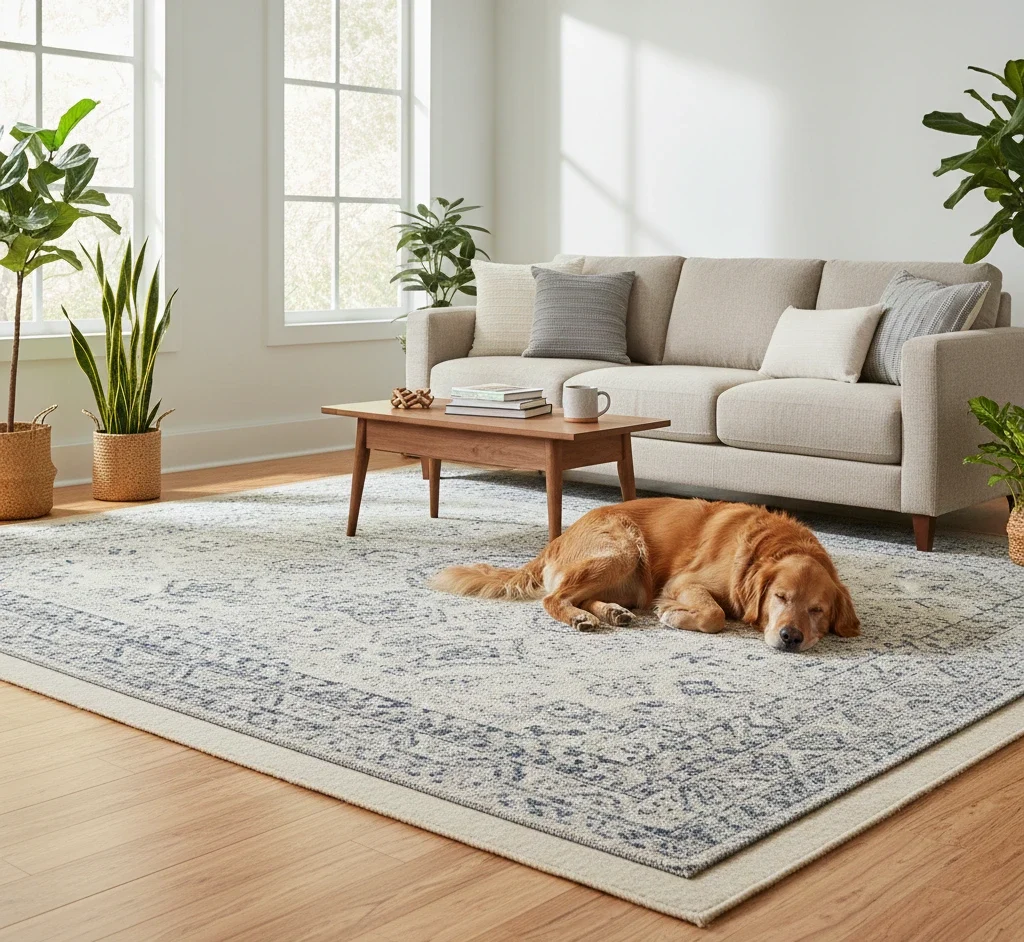
Kids playing, pets roaming, liquid spills, and dragging corners make rugs unstable. This leads to curling edges, slipping hazards, and faster wear off. A rubber rug pad keeps rugs flat, provides grip, and forms a protective barrier against such accidents and stains.
5. Old rugs
With the increasing age of the rug and its usage, the edges curl and the backing gets thinner, making the fabric unstable and susceptible to damage. A thick felt rug pad provides much-needed stability, prevents further curling, and supports weakened fibers, extending usability.
6. Seasonal effects
Humidity and temperature shifts often cause rugs to expand or contract, leading to misalignment and stress on seams. A dual surface pad (felt + rubber) can help minimize movement, keep rugs aligned, and reduce seasonal wear.
What Rug Pad Features Homeowners Should Consider?
You know the reasons why use a rug pad for your rugs, but selecting a random rug pad might prove to be costly. Below are some of the features you must look for in a rug pad:

- Material quality
Prefer natural felt or high‑grade rubber. Cheap PVC or latex‑backed pads can react with flooring finishes and leave stains or sticky residues. CRI’s standards on padding stress safe, non‑reactive materials. - Size fit
Always size the pad 1 or 2 inches smaller than the original rug size. Our team believes this prevents pad edges from peeking out while ensuring full coverage and stability. - Grip and stability
In high‑traffic areas, rugs shift and wear. Hence, our experts suggest you look for a rug pad with strong non‑slip properties that keep your original rugs anchored, reducing tripping hazards and uneven wear. - Cushioning thickness
How well a rug pad absorbs impact and protects both the rug fibers and the floor beneath. Felt pads add comfort and reduce stress on delicate weaves. Thicker pads are ideal for under heavy rugs or furniture, while thinner pads suit entryways or spaces with low clearance. - Design
Indicates how a rug pad balances comfort, stability, and floor protection. There are plenty of options ranging from simple felt pads for cushioning, rubber pads for grip, to combination felt + rubber rug pads that deliver both. Selecting the right design ensures rugs stay secure, fibers last longer, and floors remain safe. - Breathability
A pad should allow airflow to control moisture buildup. Non‑breathable pads trap humidity, which can twist rugs, and moisture can compromise indoor air. CRI emphasizes that proper padding must support indoor air quality, so make sure the rug pad material aligns with this breathable principle. - Floor feasibility
Wrong pad selection can be dangerous for your flooring. The material tends to react with surfaces, forming stains, leaving residues, and damaging flooring. Check manufacturer guidelines for hardwood, laminate, or tile. Rug pads labeled “safe for every floor type” will avoid chemical reactions with your flooring finishes.
Get Your New Rug Pad From a Reliable Supplier
Do you need a rug pad? In our expert opinion, yes, you do. It prevents slipping, protects finishes, and ensures rugs wear evenly over time. The material quality, grip and stability, cushioning thickness, design, and plenty of other benefits of rug pads act as a safeguard for both comfort and your tile surface, making them a practical need.
At Vancouver Rug Cleaning, for over 25 years, we have delivered low-cost, eco-friendly, premium rug pads made from latex-free and non-allergenic materials. They are made to survive the lifespan of your rug with superior durability, provide a protective barrier, and save your valuable floors from stains.
Give us a call, and let our professional team help you pick the best rug pad for your rugs.
FAQs
Q. Is it okay to not use a rug pad?
In rare cases, yes, but only when damage appears to be permanent. Stains from rug backing that have seeped into flooring, frayed edges that have separated, or warped rugs that won’t flatten, so a pad won’t help. If there is no such issue, we strongly recommend using one.
Q. Is a rubber or felt rug pad better?
Rubber pads are best known for grip and stability in high‑traffic areas, while felt pads excel at cushioning and fiber protection. In our experience, many go with a dual‑surface design for multiple benefits. Feel free to contact us and explore such options.
Q. Should every rug have a rug pad?
Yes, almost every rug benefits from a pad; they prevent slipping, protect floors, and extend rug life. The only exceptions our experts believe are for wall‑to‑wall, heavily weighted rugs, or small decorative rugs placed in low‑traffic areas where movement and wear aren’t major issues.
Q. Do you need a rug pad for outdoor rugs?
It is useful but not strictly recommended; outdoor rugs are designed to tackle moisture and heavy wear on their own. A rug pad may still help with grip and airflow on smooth patios or decks, but it’s optional compared to indoor rugs, where protection is a priority.