Antique rug cleaning requires expert care backed by real experience. For over 25 years, we’ve worked hands-on with delicate, rare, and historically significant rugs. Having handled thousands of antique rugs, from fragile silk heirlooms to heavily worn handmade pieces, we understand exactly what works and what leads to irreversible damage.
Unlike standard carpet care, antique rug cleaning requires a controlled approach. Natural fibers, aging materials, and sensitive dyes make these rugs highly vulnerable to moisture, pressure, and harsh chemicals.
In this guide, we combine our proven methods with practical steps homeowners can follow, helping you understand how to clean antique rugs safely while knowing when it’s best to rely on professional rug cleaning experts to protect your rug’s value and longevity.
Why Antique Rugs Demand a Different Approach
With over 25 years of experience, we’ve seen how antique rugs react differently to standard cleaning. Their handmade structure, natural fibers, and aging dyes make them vulnerable to damage, which is why careful, controlled antique rug cleaning is essential for long-term preservation and proper professional rug maintenance.
What Makes a Rug “Delicate” or “Antique”?
A rug is antique when it’s around 80–100 years old, but its delicacy depends on its condition. We’ve handled many rugs that required expert care due to fine fibers, natural dyes, or wear, making delicate rug cleaning a highly specialized process.
• Silk rugs
• Fine wool handmade rugs
• Persian and Oriental rugs
• Hand-knotted vintage rugs
• Rugs with thin or worn pile
The Costly Mistakes Most People Don’t Know They’re Making
We regularly see damage caused by over-wetting, strong cleaners, and aggressive scrubbing. These common mistakes can lead to dye bleeding and fiber damage, often turning simple cleaning into a problem that needs rug cleaning specialists or even rug restoration experts.
Common mistakes include:
• Using too much water
• Scrubbing stains hard
• Using strong or chemical cleaners
• Vacuuming fringes
• Drying in direct sunlight
• Folding instead of rolling
• Ignoring small damage early
Before You Start: Essential Antique Rug Cleaning Checklist
Before any cleaning begins, preparation is critical. Solving countless rug issues, we have found that most rug damage happens during handling, not cleaning. Taking a few careful steps upfront can prevent irreversible issues later.
Read a Rug (Fiber, Dye Age, Pile Condition)
Start by understanding your rug:
• Fibers: Wool is resilient, silk is delicate, cotton weakens with age
• Dye Age: Older dyes may bleed with even slight moisture
• Pile Condition: Thin or worn areas need minimal handling
Having a quick assessment will help you decide how gentle your approach needs to be and apply the right professional rug care tips.
5-Point Inspection Checklist We Use Every Time
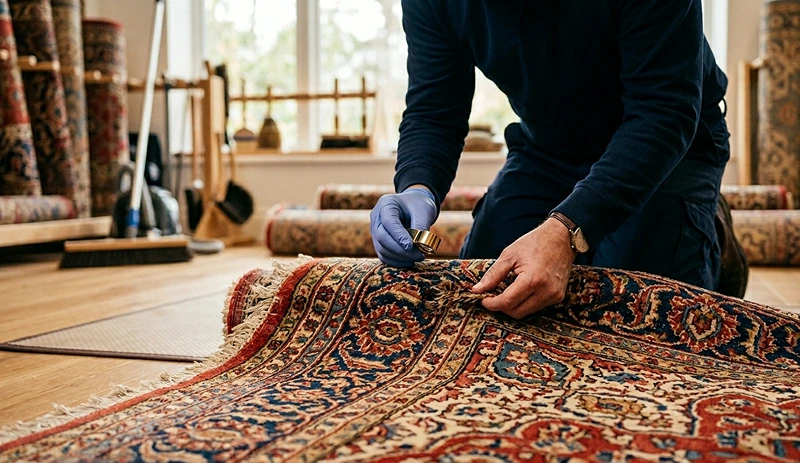
Before we begin any cleaning process, we carry out a detailed inspection to understand the rug’s condition and avoid preventable damage.
⇒ Loose or missing knots
⇒ Weak or damaged fringes
⇒ Type and location of stains
⇒ Dye stability (color bleeding test)
⇒ Overall structural strength
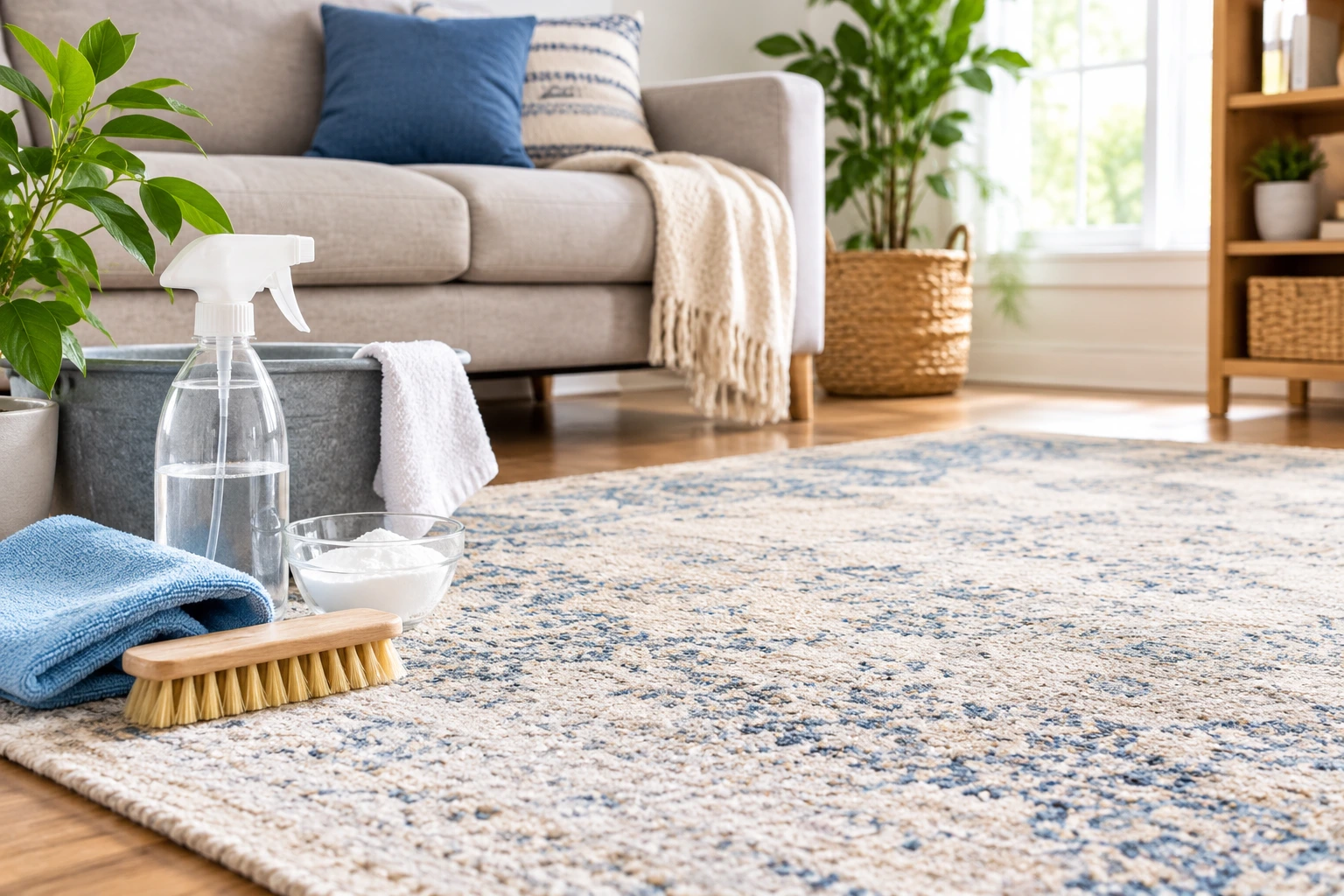
Tools You Need Before Handling Begins
Keep it simple and safe:
⇒ Soft brush (no stiff bristles)
⇒ Low-suction vacuum
⇒ Clean cotton cloths
⇒ Mild, pH-neutral cleaning solution (around 5–7)
Note: Avoid harsh tools or heavy equipment, as they can do more harm than good, especially in handmade rug cleaning.
Handling Techniques for Delicate and Antique Rugs
Proper handling must be done carefully, as incorrect movement or support can cause permanent structural damage even before cleaning begins.
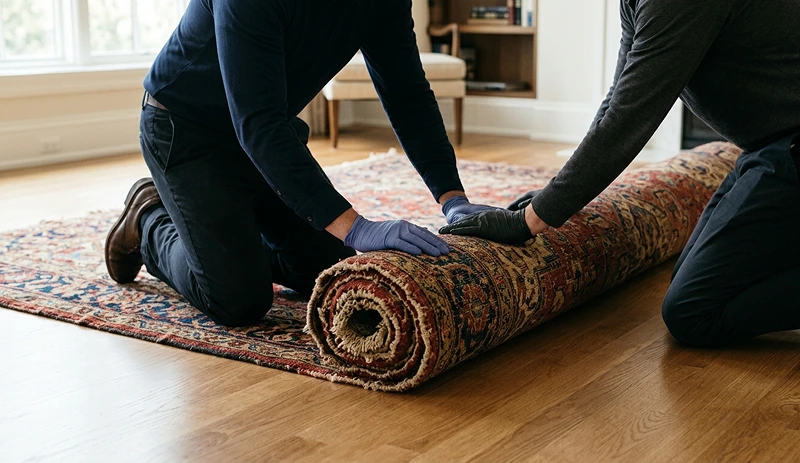
• Always roll the rug with the pile facing inward and do not fold it, as folding creates sharp creases that weaken fibers over time.
• Roll the rug before moving, then lift it evenly using at least two people while supporting the full width to avoid strain on the foundation.
• Do not lift the rug using fringes or edges, and ensure worn or weak sections are supported from underneath during any movement.
• Wear clean gloves while handling to prevent transfer of oils, dirt, or moisture onto the fibers and to maintain the rug’s condition.
Safe Antique Rug Cleaning Methods (Expert Tips)
Once proper handling is done, cleaning becomes a bit easier, but with the right strategy. Unlike regular rugs, delicate rugs cannot tolerate excess moisture, harsh chemicals, or aggressive methods. The goal is not to make your rug look brand new, but to clean it safely while preserving its structure, fibers, and dyes, which oriental rug cleaning experts always prioritize. So avoid rug cleaning mistakes and follow these tips:
1. Always Test for Dye Stability First
Before introducing any moisture, test a small, hidden section of the rug using a slightly damp cloth to check for color bleeding. This step is often skipped, but it is one of the most important. In many cases we’ve handled, even a small amount of water caused dyes to run, turning a simple cleaning into a complex restoration job.
2. Use Minimal and Controlled Moisture
When moisture is required, it should always be used in a controlled and minimal way. Antique and handmade rugs absorb water quickly, and over-wetting can weaken the foundation or cause shrinkage. We’ve worked on rugs that could have lost their shape due to soaking, while those rugs cleaned with limited moisture remained stable and intact.
3. Choose Mild, Fiber-Safe Cleaning Solutions
Only use pH-neutral (around 5–7), fiber-safe cleaning solutions that are suitable for natural materials like wool or silk. Harsh detergents or chemical cleaners can strip natural oils, making fibers brittle over time. In many cases, rugs previously cleaned with strong solutions showed dryness and color fading that could not be reversed. In several cases, we were able to stabilize and improve the rug’s condition with careful treatment.
4. Blot Stains Gently Instead of Scrubbing
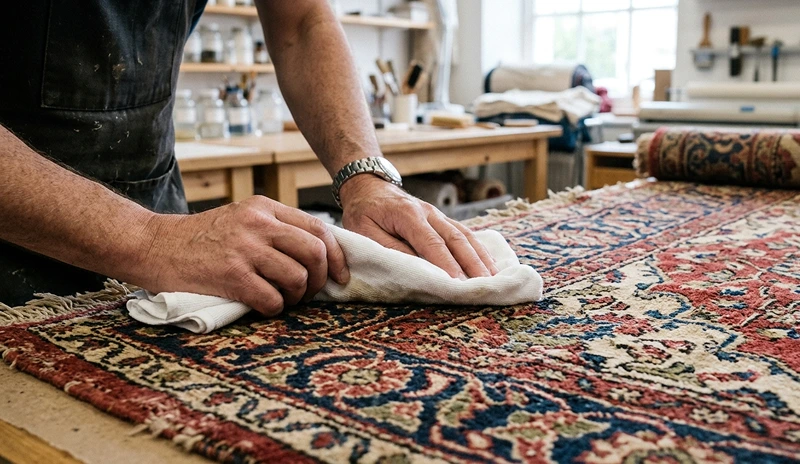
Stains should always be treated by blotting gently with a clean, absorbent cloth rather than scrubbing. Scrubbing increases friction, spreads the stain, and distorts the pile. We’ve seen situations where our customers tried aggressive stain removal, which made the affected area more noticeable than the original stain itself.
5. Avoid Heat and Harsh Drying Methods
Drying should never involve direct sunlight, heaters, or artificial heat sources. Excess heat can fade dyes and stress the fibers, especially in older rugs. One common issue we encounter with our clients’ rugs is uneven color fading caused by sun exposure after cleaning.
6. Dry Flat with Proper Air Circulation
After cleaning, the rug should be laid flat in a shaded, well-ventilated area to dry evenly. Proper airflow is essential to prevent moisture buildup, which can lead to odors or mildew. Controlled drying conditions help maintain the rug’s shape and prevent unnecessary stress on the fibers.
When to Stop and Call a Professional
One of the most important parts of delicate rug cleaning is knowing when to stop. If dyes begin to bleed, fibers feel weak, or stains do not respond to gentle treatment, continuing the process can cause more harm. At this stage, it is always safer to step back and consult professional rug cleaning experts.
Need Further Assistance? Seek Professional Antique Rug Cleaning
Antique rug cleaning requires careful inspection, proper handling, and controlled cleaning methods. From identifying fibers and testing dyes to using minimal moisture and safe drying techniques, every step plays a role in preventing damage. By following the right approach, you can maintain your rug’s condition while avoiding common mistakes that often lead to costly repairs or restoration.
When it comes to valuable rugs, choosing the right experts matters. With 25+ years of hands-on experience, we at Vancouver Rug Cleaning specialize in delicate and antique rug cleaning using safe, fiber-specific methods. Our process follows controlled, low-moisture cleaning methods designed specifically for antique and handmade rugs. We combine advanced care techniques with controlled cleaning processes, ensuring your rug is not just cleaned but preserved for years to come.
Reach out to us for personalized antique rug care!
FAQs
1. How often do we recommend cleaning antique rugs?
We usually recommend cleaning antique rugs every 3–5 years, depending on foot traffic, dust exposure, and environment. If the rug is in a high-use area, you may need more frequent light maintenance to prevent dirt buildup.
2. Can you vacuum antique rugs safely?
Yes, you can vacuum antique rugs, but it needs to be done carefully. Always use low suction, avoid fringes completely, and follow the pile direction to prevent pulling fibers or causing unnecessary wear over time.
3. Do we recommend steam cleaning?
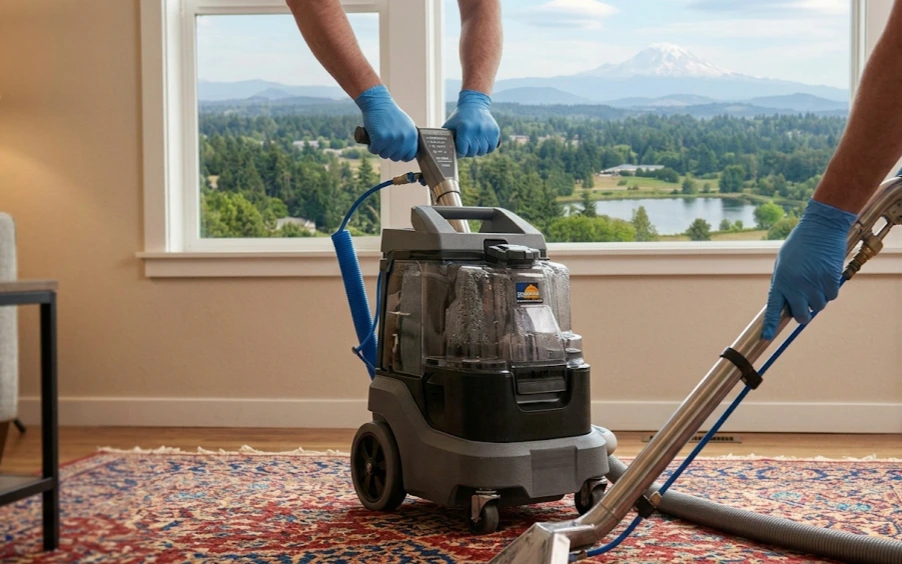
No, we won’t suggest steam cleaning for antique rugs. High heat and moisture can damage fibers, weaken the foundation, and cause dyes to bleed, leading to permanent damage that is often difficult to reverse.
4. What’s the safest way to handle antique rug stains?
The safest way is to blot the stain gently using a clean cloth and minimal moisture. Avoid scrubbing or using strong cleaners, as this can spread the stain and damage delicate fibers or dyes.
5. How should antique rugs be stored?
Trusted by locals for delicate rug cleaning, we always advise rolling antique rugs and never folding them and storing them in a dry, well-ventilated space. Wrapping them in breathable fabric helps protect against dust and moisture while maintaining their structure over time.