Quick summary: How to remove rug stains: Identify rug stain type, apply smart DIY methods tailored for different stain types, and follow rug maintenance tips to complement diy methods, amplifying cleaning effects.
Rugs in households consist of stains with diverse compositions. From coffee, blood, pet urine accidents, to red wine, cooking oil, ink, or candle wax, each stain appears and behaves differently. Hence, knowing how to remove rug stains becomes crucial for rug safety.
The reason is simple: the method used to remove coffee stains from rugs might not work for blood stains; likewise scraping method might work for solid wax-based stains, but not for cooking oil, as it ends up spreading the stain instead of cleaning it. Understanding the type of rug stain facilitates effective cleaning.
In this blog, you’ll get insights into common rug stain types and how to remove them using specific DIY techniques and tips to consider for maintenance after rug stain cleaning.
Different Types of Rug Stains
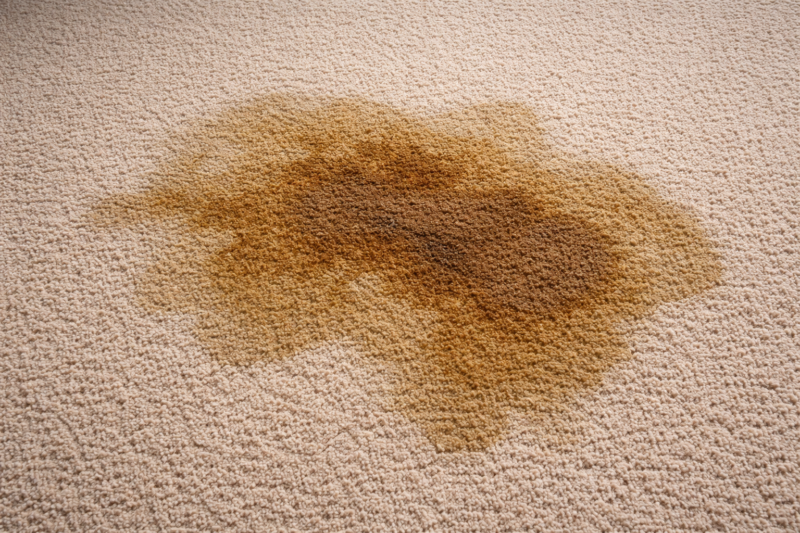
Every rug stain has a different chemical composition, leaving a distinctive colored mark on the rug. You need to recognize these different stain marks and understand their chemistry and appearance before proceeding with rug stain cleaning.
⇒ Tannin-based stains: Coffee, tea, redwine, and fruit juices are considered tannin-based stains. The natural pigments present in them immediately bond with the rug fiber, resulting in a dark brown, reddish, or yellowish patch.
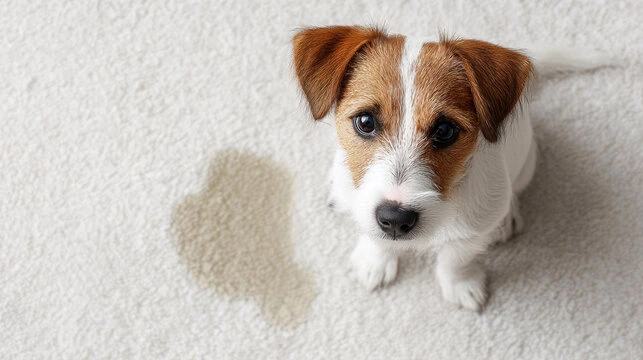
⇒ Protein-based stains: Blood, dairy, eggs, and pet accidents contain proteins that settle quickly into rug fiber, especially in excessive heat. This leaves stiff, thickened spots that appear pale yellow or deep brownish (set-in stain).
⇒ Oil-grease-based stains: Cooking oil, grease, or cosmetics repel water and stubbornly stick to the rug fabric. Their stain marks are slippery and look shiny, while darker oil patches are sticky, allowing dirt to stick.
⇒ Dye and Pigment-based Stains: Ink, paint, or markers are made of pigments and dyes that are designed to penetrate surfaces, spread quickly, and bond tightly. The stains from these substances leave vivid black, blue, or bright-colored marks on rugs.
⇒ Wax and resin-based stains: Candle wax, adhesives, or chewing gum have solidifying agents that harden and lock them on surfaces. They stick to rug fiber, leaving stains that appear set, glossy, or like raised bumps.
⇒ Soil-based stains: Dust, mud, dirt, or foot traffic marks contain soil particles and organisms that crumble into rugs, causing discoloration and damage to the fabric.
How to Remove Rug Stains Using Smart DIY Cleaning Techniques
You got a glimpse of various rug stains that you may discover on your rugs. The different composition of these substances makes it essential to consider a smart technique that cleans better and can also help avoid common rug cleaning mistakes.
Here are some smart DIY techniques that you can utilize to remove common rug stains:
#1. Tannin-based stains
- Blot area quickly using a clean cloth (avoid rubbing)
- Sprinkle baking soda to absorb the spills
- In water, add vinegar, or a few drops of laundry detergent and gently dab the stained area
- Rinse the area thoroughly and blot until dry
Effect on rug: Baking soda prevents pigments from settling into the fiber, vinegar or laundry detergent in water, breaks down remaining pigments, restoring brightness and preventing discoloration.
#2. Protein-based stains
- Blot the spread using a clean cloth
- Spread cold water to dilute the proteins
- Use an enzyme-based solution, mix it with water, and rinse the area
- Allow the solution to set for roughly 10-15 minutes
- Rinse the area once again using fresh cold water
Effect on rug: Cold water prevents clotting, and enzyme solutions secure rug fabric while eliminating lingering odors.
#3. Oil-grease-based stains
- Sprinkle baking soda or cornstarch for absorption
- Wait for 15-20 minutes, then vacuum the area
- Rinse the area using water containing lemon juice and soap
- Dab the area using a cloth, then let it dry
Effect on rug: Cornstarch or baking soda powder soaks up extra oil or grease, while soap and lemon juice in water break down remaining oil, refreshing rug fiber.
#4. Dye and Pigment-based Stains
- Apply a sanitizer gel containing alcohol (use a cotton swab)
- Start wiping from the exterior part of the stain spread, then move closer
- Rinse the area and blot it until dry
Effect on rug: Alcohol in sanitizer gel dissolves the pigments, wiping prevents color spreading, and the rug stays smudge-free.
#5. Wax and resin-based stains
- Use a bag of ice cubes to freeze wax/gum
- Scratch off the hardened wax/gum with a spoon, knife, or scraper
- Put a baking parchment on the surface and iron it at low heat to transfer the wax
Effect on rug: Ice cubes break down wax, making it easy to scrape. Ironing melts the remaining wax, moving it to baking parchment.
#6. Soil-based stains
- Allow mud/soil on the rug to dry
- Swipe the area using a broom, then vacuum it thoroughly
- Sprinkle cornstarch or baby powder, and allow it to settle
- Clean the spot using a mild detergent
Effect on rug: Drying of mud stops staining, and baby powder or cornstarch lifts fine soil particles, restoring rug color and brightness.
Tips to Maintain Rugs After Cleaning Rug Stains
It’s important to complement your DIY cleaning methods with regular rug cleaning activities. It prevents new damage and keeps the rug fresh. Below are some of the tips to consider after rug stain removal for maintenance:
- Regular sweeping and vacuuming of the rug
- Quick action to fresh spills, and remove pet odor from rugs
- Sprinkle baking soda to eliminate odor and maintain a fresh rug smell
- Place in a properly ventilated area, but avoid direct sunlight exposure
- Change rug positions to balance the heavy foot traffic and control wear off
Get Professional Help to Remove Rug Stains And a Total Revival
We hope the DIY techniques helped you understand how to remove rug stains. However, these methods don’t provide a long-term result. Yes, they are adequate to remove common rug stains, and regular maintenance helps prolong the cleaning effect, but to eliminate old, stubborn stains, you will require a professional rug stain removal cleaning service.
At Vancouver Rug Cleaning, we have a team of experienced experts who deliver effective rug cleaning services. Our IICRC-certified team conducts a thorough rug inspection, high-impact dusting, stain spotting, deep cleaning, and rinsing to remove stains, followed by a final inspection. We utilize advanced equipment and chemical-free solutions to clean and revive the rug’s vibrant look.
Call us now for a thorough professional rug stain cleaning.
FAQs
What is the best way to clean rug stains?
There’s no single best way to clean rug stains. The rug stain cleaning method you choose solely depends on the type of stain that you locate on your rug. If you are unsure about the severity or the type of stain, contact a professional rug cleaning service.
What are stains that cannot be removed?
Oil-based or ink stains are the ones that are almost impossible to remove. Also, tannin or protein-based rug stains, if left untreated, settle quickly and become stubborn.
How to get stains out of a white rug?
Use a cloth and blot spills fast to stop stains from settling into the rug fabric. It’s essential to avoid household remedies or cleaning solutions, as white fabric rugs are susceptible to severe discoloration.
Can you remove stains with hot water?
Yes, hot water helps loosen and dissolve oil and grease-type stains, but it is risky to use on tannin or protein-based stains, as hot water may allow these stains to set deeper into the rug fiber, possibly resulting in a permanent stain.