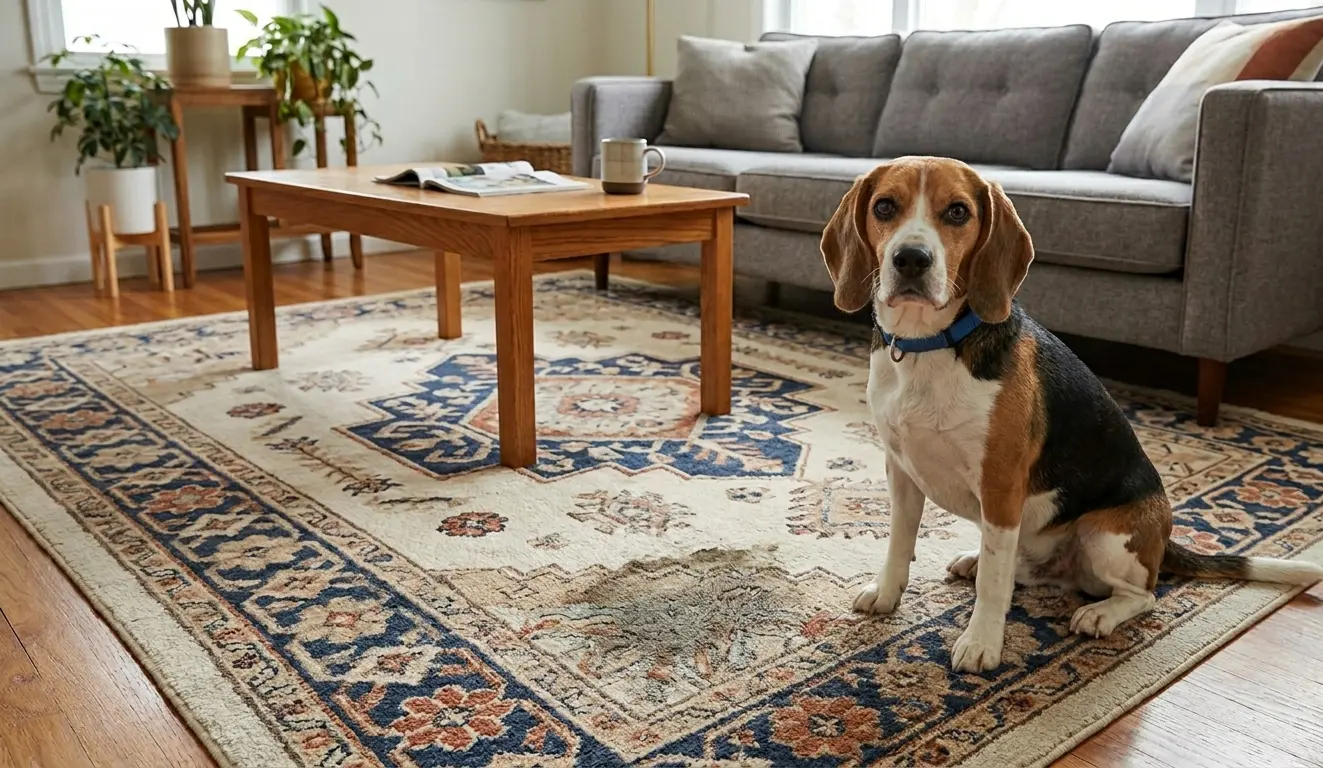
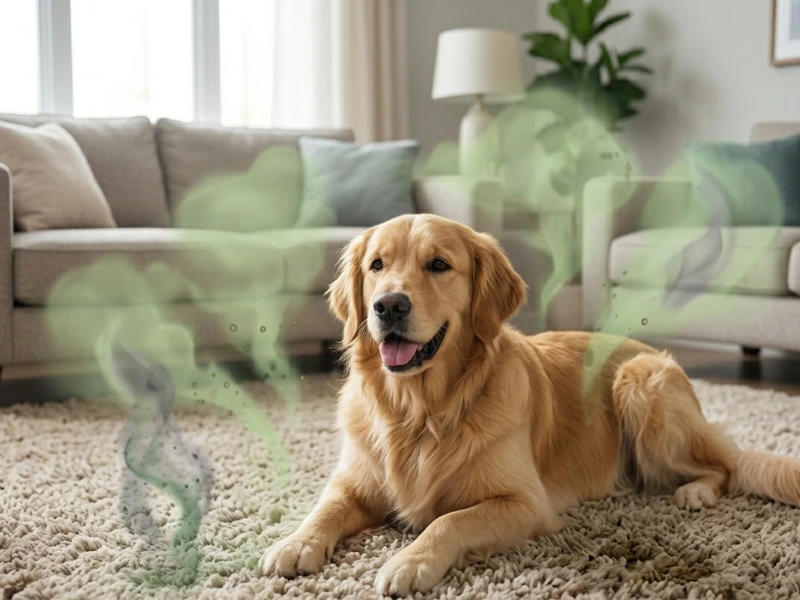
While our team is on site removing pet odors from rugs, carpets, and upholstery, homeowners often ask out of curiosity: how do pet odors affect indoor air quality? We’re never surprised, as we’ve observed, that the intent behind asking is to understand the severity of persistent odors and know how pet smell and air pollution indoors affect the entire atmosphere.
As the queries kept coming repeatedly, we realized that it’s important for homeowners to know the impact of pet odors on indoor air quality. Therefore, our team sat down and curated this informative piece.
It explains how pet odors spread indoors, noticeable signs (health symptoms), tips to eliminate odors, and highlights instances when you may need help from our professional pet odor removal team.
Understanding the Pet Odor Air Quality Impact Correlation
Pet odors aren’t just smells; they’re tied directly to the air you inhale. According to the U.S. Environmental Protection Agency (EPA), biological contaminants such as pet dander, saliva, and dried urine crystals become airborne and remain indoors.
When this happens, the odor is more than a problem. The airborne particles trigger allergic reactions, cause respiratory irritation, and reduce overall comfort within your house. Our experts pinpoint the following sources of bad pet smell:
- Urine: Breaks down into ammonia, releasing a sharp smell that clings to carpet fibers and padding, often reappearing when humidity rises or the spot gets moist again.
- Feces: Produces unpleasant gases as it spoils, leaving behind strong odors and bacteria that can linger in carpets, rugs, or flooring if not cleaned thoroughly.
- Skin and fur: Natural oils, sweat, and shed skin cells create a musty background odor that builds up over time on carpets, furniture, and even in HVAC systems.
- Pet Saliva: Common because of licking behavior, saliva drops on rug fabrics and upholstery stick to the surface, and residues trigger odor that slowly affects the quality of indoor air.
- Anal gland secretions: Released during a pet’s natural territory marking behavior, these odors penetrate carpets and upholstery, making them tough to remove without professional cleaning.
5 Effective Actions to Consider When Pet Odors Affect Indoor Air Quality
Persistent odors, recurring stains, and pets re‑marking the same area or family members experiencing sneezing, watery eyes, and respiratory irritation indoors indicate compromised air quality. It needs to be dealt with precision.
We say this because homeowners often misinterpret smells. What appears to be an odor from a pet accident may simply be an old spill or food stain odor. Identifying the odor source is crucial. It helps you pick proper remedies to maintain indoor air quality.

Here are some actions our team suggests you take for different odor sources:
1. Neutralize Urine Odors
Blot immediately with paper towels, apply an enzyme‑based cleaner or homemade cleaning solution to break down urine compounds. Sprinkle baking soda afterward to absorb lingering ammonia smells and prevent their reemergence.
2. Clean Up Feces Instantly
Remove solids with gloves, then clean the area using mild soap or a natural cleaning solution. This will eliminate bacteria, neutralize unpleasant gases, and restore freshness.
Pro tip: Consider a diluted vinegar rinse to neutralize gases and disinfect fabric surfaces.
3. Control Skin and Fur Build-up
Vacuum carpets and upholstery to capture pet dander. Wash pet bedding weekly in hot water to reduce oils and skin cell residue. You can use washable covers for upholstery and consider shifting your rugs or carpets to prevent skin and fur from accumulating.
4. Remove Saliva Residues
Wipe down saliva drops and breath on upholstery, rug, or carpet fabric. Use a baking soda solution or a fabric-safe solution. Wash blankets and cushion covers regularly to prevent saliva odors from settling in.
5. Eliminate Secretion Odors
Experts say that a pet’s marking behavior only releases a few urine droplets, which don’t smell right away. Also, unlike urine on rugs or carpet, they are scattered. So, blotting and surface cleaning won’t help.
You need to clean thoroughly with enzyme cleaner, then apply a deterrent spray or citrus solution to discourage repeat marking. Block access to the area if feasible.
Precautionary Tips to Prevent Pet Odors
After observing ways to remove pet odors, it’s obvious to think about whether it can be contained in the first place. Well, the good news is it can be done. In fact, our team suggests that homeowners be proactive and consider taking precautions.
Here are some preventive tips that you can consider:
- Clean active zones frequently: Vacuum and spot‑clean rugs, carpets, and areas where pets roam most to prevent buildup.
- Litter train Pet: Encourage the dog or cat to use the litter box. Also, consider placing it outdoors or in a ventilated area to reduce the risk of indoor air contamination.
- Restrict access: Beyond cleaning, limit pet access to rugs, carpets, or indoor areas where they roam more. Pets tend to revisit familiar spots, so keeping them away reduces re‑marking and stops residues from spreading even when surfaces look dry.
- Encourage positive behavior: Reinforce good habits by placing food bowls or their bedding in areas where they previously marked. They naturally avoid dirtying the place where they eat or rest, helping redirect behavior without stress.
- Regular grooming: Brush pets regularly and schedule seasonal grooming to reduce shedding, dander, and fur transfer onto carpets and upholstery.
Signs Professional Pet Odor Removal is Needed
At times, you may feel clueless about why the air still feels the same, even after having followed precautionary tips and keeping the area clean. If you feel stuck in such a situation, it’s the first sign indicating professional intervention. Below are other prominent signs to keep in mind:

- Smell returns during damp weather.
- The urine stain keeps reappearing.
- You cannot locate the odor source.
- Pets re‑mark the same spot.
- Odor has soaked into the rugs, carpet, or upholstery.
- Family members experience allergies or respiratory irritation even after thorough self-cleaning or attempts to prevent pet odor from rugs.
Once you notice any of these signs, it’s your cue to reach out to professionals like us. Here’s what you can expect from our team of cleaning specialists:

1. Detection of stains and spots using UV lights.
2. Targeted treatment using custom‑formulated, pet‑friendly urine solutions is applied directly to impacted areas.
3. The agitation technique is used on spots to break down deep‑seated urine salts and residues.
4. Pinpoint Extraction is done with specialized suction tools to remove stains, soil, and cleaning solutions from the fibers.
5. A controlled deodorizer is used to neutralize lingering odors without overpowering the space.
6. For rinse and suction, our technicians use a truck‑mounted system that flushes and extracts, leaving carpets spotless, fresh, and dry.
Get Expert Help to Remove Pet Odor and Improve Air Quality
Pet odors affect air quality; the chemical and biological pollutants present inside are unhealthy. With proper care and proactive actions, homeowners can ensure indoor air remains odor-free. But if they are persistent, it’s best to call in the professionals for thorough pet odor removal.
We at Vancouver Rug Cleaning have more than 25 years of experience in pet odor removal. With an effective and pet-friendly approach, our expert team returns your surfaces to their pleasant state, completely free of pet odors. Our meticulous process gently breaks down deep-seated stains and odors, restoring your rugs, carpets, upholstery, and other surfaces without inflicting damage.
Give us a call now to get rid of pet odors and improve your home environment.
FAQs
Q. Do air purifiers work for pet odor?
Yes, air purifiers help reduce dander and light pet smells. However, pet odor air purifiers are a better choice. They are made with activated carbon and odor‑neutralizing filters to capture stubborn pet odors at the source.
Q. How to test indoor air quality?
Use test kits or digital monitors to assess factors such as VOCs, PM2.5, and humidity after pet odor removal. Smart monitors track residual dander and cleaning residues, giving clarity on air quality.
Q. Does pet odor removal help improve air quality?
Yes, removing pet odors eliminates ammonia fumes, dander, and VOCs that spread indoors. Professional odor removal restores freshness and reduces allergens, improving overall indoor air quality while minimizing the scope of respiratory or health issues.
Q. How much time do professionals take to remove pet odor?
Most professional methods take a few hours for detection, deep cleaning, and deodorization. Severe cases with contamination may extend this duration, but ensuring odors are fully neutralized and carpets are left fresh. Contact us to know more about the timeframe.